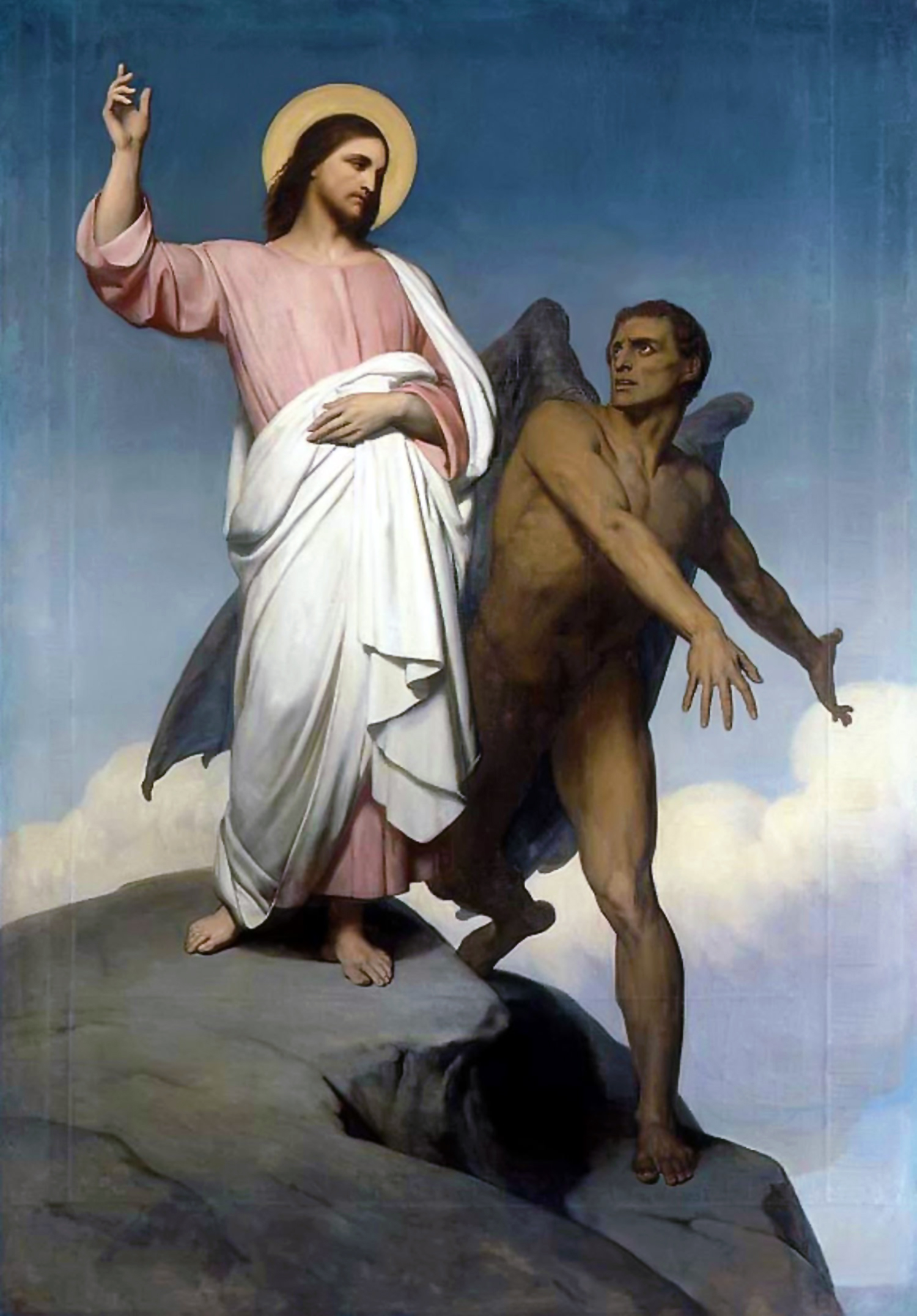
Is Satanism a religion? The short answer is that it can be, but the word Satanism does not describe one single belief system. Some people use Satan as a symbol in a philosophical or political tradition. Others understand Satan as a real spiritual being and build a life of worship, prayer, study, and ethical responsibility around that belief. That second position is usually called theistic Satanism.
The important question is not whether the name sounds unusual. The important question is what a person believes, how those beliefs shape their life, and whether they are lived as a religious commitment rather than used only as an aesthetic or a provocation.
What makes something a religion?
There is no single test that every religion must pass. Religions usually include some combination of belief about reality, a relationship with the sacred, practices that express that relationship, moral or spiritual commitments, and a community or tradition that carries the work forward.
Those elements do not always look the same. One religion may center on scripture and weekly worship. Another may place more weight on ritual, contemplation, initiation, direct experience, or a relationship with a deity. A religion does not become less serious because its prayers are unfamiliar to outsiders.
Theistic Satanism can meet these ordinary descriptions of religion. It includes theology, devotion, ritual, religious experience, moral reflection, study, and communities of practitioners. For a theistic Satanist, Satan is not merely a logo or a literary device. Satan is approached as a real divine presence.
Why do theistic Satanists use the name Satan?
Satan is a difficult religious name because it carries centuries of accusation, fear, and inherited imagery. That history is part of the reason the name matters. Theistic Satanism does not choose the word because it is harmless. It takes seriously the questions raised by a figure associated with opposition, sovereignty, forbidden knowledge, judgment, and resistance to imposed authority.
Different theistic Satanists may understand Satan in different ways. Some emphasize a personal deity. Some speak of a divine intelligence, a spiritual power, or a presence encountered through devotion and ritual. The language can vary, but the central point remains: Satan is treated as more than a symbol.
This does not mean that every unusual experience should be accepted without thought. Religious commitment still requires honesty, discernment, and the ability to distinguish a personal interpretation from a fact that can be independently verified.
Religion is not the same as an aesthetic
Black clothing, dramatic artwork, candles, inverted crosses, metal music, and dark imagery can all appear in Satanic spaces. They may be meaningful, but none of them proves that a person is religious. An aesthetic can communicate identity. It cannot replace belief, practice, or responsibility.
The same is true of provocation. A person may use Satanic language to challenge social norms or criticize religious institutions without believing in Satan as a deity. That approach can be politically or philosophically significant, but it is not the same as theistic devotion.
For a theistic Satanist, the outer symbols should serve the inner work. A candle may help mark the beginning of prayer. A sigil may focus attention. A ritual garment may help someone enter a deliberate state of mind. None of these objects has to impress an audience, and none can do the work of devotion on its own.
What do theistic Satanists believe?
There is no universal creed shared by every person who uses the label. Theistic Satanism is a broad religious field, and different churches, groups, and individuals use different words. Still, several themes appear often.
- Satan is spiritually real. The believer relates to Satan as a deity or divine presence, not only as a metaphor.
- Devotion matters. Prayer, invocation, meditation, offerings, ritual, silence, and study can all become ways of approaching the sacred.
- Personal responsibility matters. Religious freedom does not remove the consequences of choices. Autonomy is not a permission slip for cruelty, coercion, or dishonesty.
- Discernment matters. A strong feeling is not automatically a revelation, and a dramatic experience is not automatically a command.
- Religious life develops over time. Belief is shaped through repeated practice, reflection, learning, and the way a person acts outside ritual.
At The High Satanic Church, theistic Satanism is understood as a living religion of devotion, practice, study, and becoming. Members may worship privately, participate in community, keep records of their work, and examine how spiritual experience changes their judgment and conduct.
Is Satanism a religion if it has no single authority?
Yes. A religion does not need one worldwide authority to be real. Religious traditions often contain internal disagreements, multiple denominations, local customs, and different levels of organization. The existence of disagreement does not make a tradition meaningless. It simply means that people must be precise about which community or theology they are describing.
This is why it is better to ask, “What does this Satanic group believe?” than to assume that every Satanist shares one doctrine. The answer may be atheistic, symbolic, political, occult, theistic, or something more personal. The word alone is not enough.
Is theistic Satanism a religion or a philosophy?
For some people, Satanism functions mainly as a philosophy. For others, it is a religion. The two categories can overlap, but they are not identical.
A philosophy may offer a way to think about freedom, ethics, power, doubt, or resistance. A religion may include those questions while also involving worship, sacred presence, ritual, prayer, and a relationship with the divine. Theistic Satanism belongs on the religious side of that distinction because it treats Satan as spiritually real and devotion as meaningful.
Can someone be a theistic Satanist and still be a good person?
The name of a religion does not settle the moral character of its followers. What matters is how a person treats other people, how they handle consent and boundaries, whether they keep their word, and whether they take responsibility for harm they cause.
Theistic Satanism does not require a person to celebrate cruelty. It can instead ask difficult questions about obedience, authority, desire, and responsibility. A serious religious path should make a person more honest about consequences, not less.
So, is Satanism a religion?
For theistic Satanists, yes. It is a religion because it involves belief in a real spiritual reality, devotion to a deity, religious practices, moral reflection, and a community or tradition. It is not defined by costumes, shock value, or the simple reversal of another religion's symbols.
At the same time, not every form of Satanism is theistic or religious. The most accurate answer depends on the tradition being discussed. If you want to understand a Satanic group, begin with its beliefs and practices rather than its reputation. That is where the religion, if there is one, actually becomes visible.